
 MentorX
 0
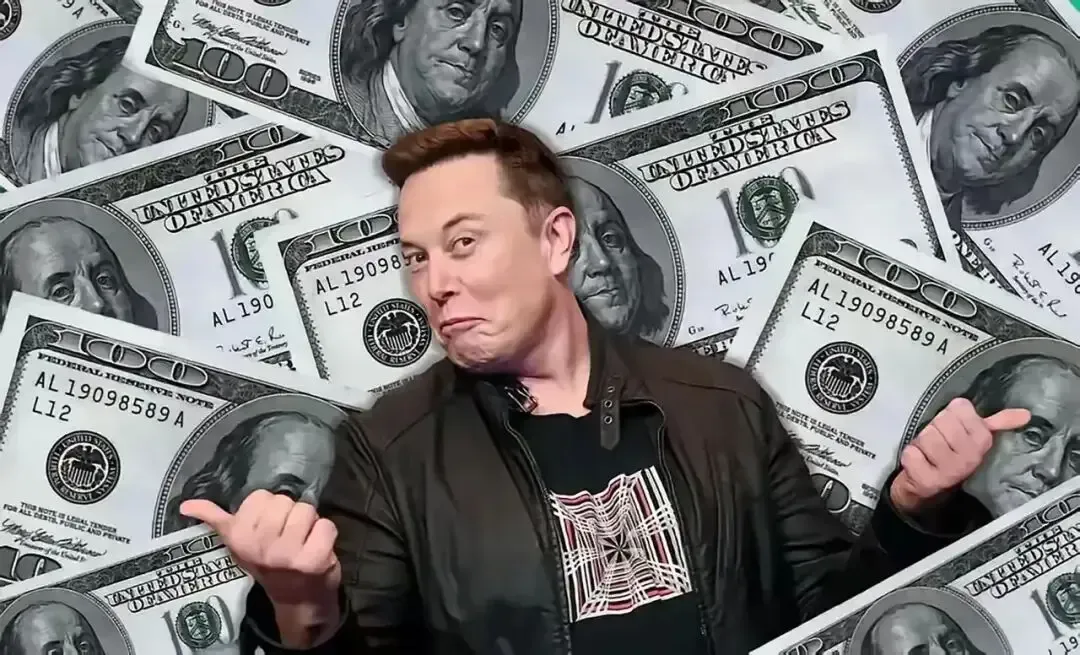
Elon Musk made a surprise announcement: he plans to give every child in the United States one share of SpaceX stock. Based on the current share price estimate, this gift could be worth more than $10 billion.
Elon Musk has once again taken the US tech circle by storm.
It’s not a new Tesla vehicle launch, nor another milestone achieved by SpaceX. Instead, Musk made a surprise announcement: he plans to give every child in the United States one share of SpaceX stock.
Based on current share prices, this gift could be worth more than $10 billion.
As soon as the news broke, many joked that American kids will get a chance to become SpaceX shareholders before they even start looking for a job. Meanwhile, international students gearing up for the US fall recruitment cycle are still revising their resumes over and over, chasing tech giant offers.
On the surface, this story seems totally unrelated to job hunting. Yet underneath lies a noteworthy shift.
01 Is Musk Really Handing Out SpaceX Stock to All US Kids?
On October 19, Musk announced on his social platform X that starting in 2027, he intends to gift one share of his personally held SpaceX stock to every child in the United States. He added that this would only be the first in a series of such gifts.
Calculated using the share price of roughly $146 at the time and the more than 72 million minors across the country, the market value of this donation could exceed $10.5 billion.
What stands out even more is that Musk’s move is not an isolated one.
The US government previously rolled out the Trump Accounts, investment accounts for minors. Eligible children can receive seed investment funding from the government, and some of these accounts also accept stock donations.
That said, what Musk has released so far is still just a proposal. Eligibility criteria, logistics and timelines for the gift remain unclear, which means US children have not received the shares yet.
02 Why Are Tech Giants Suddenly Talking About Wealth Distribution?
This news becomes far more interesting when viewed against the backdrop of the booming AI industry.
The hottest debate in the US tech sector today is no longer just how capable AI models can be. It also centers on who gets to capture the economic value generated by AI.
On one hand, AI is pushing tech firms to build more efficient production workflows. On the other, employers’ talent demands are being reshaped.
Traditional roles heavy on repetitive tasks face growing automation pressure. By contrast, engineering professionals who can build, deploy and maintain sophisticated AI systems remain highly sought after.
Musk’s pledge to gift stock to the next generation encapsulates the broader debate over how tech wealth should be distributed. As AI reshapes the job landscape, where do we go from here?
03 How Should International Students Pick Companies in the Coming Years?
This announcement also raises a key consideration: equity.
In the US tech industry, alongside base salary, bonuses and equity form critical factors many candidates weigh when evaluating offers.
Returns from equity are never guaranteed. Equity at startups, in particular, comes with considerations around valuation, vesting schedules and liquidity. When choosing your first job, don’t fixate solely on a big brand name or the advertised total compensation package. For students from the Classes of 2026 to 2029 aiming to enter the US job market, focus on three core questions:
First, does the company’s business track have lasting demand?
Areas including AI infrastructure, cloud computing, enterprise AI and robotics are worth tracking closely, though opportunities must always be assessed against the team’s actual work and job requirements.
Second, will this role help you build truly transferable skills?
Experience independently building systems, analyzing data, deploying models or delivering cross-team projects carries far more weight than simply being attached to a trendy project.
Third, is the role international-student friendly?
Be sure to verify eligibility for CPT and OPT, future visa sponsorship policies and work location in advance. A large company does not guarantee every team sponsors work visas.
Musk can gift stock to American children, but for international students job-hunting in the US, what matters most is landing on a high-growth team and building your own career capital. Wealth within the tech industry may keep concentrating in the years ahead, or it may be redistributed through new frameworks and business models.
One truth is worth preparing for right now:
In the AI era, the earlier you build verifiable, practical skills that employers value, the more control you will have over your career choices down the line.