
 MentorX
 102
102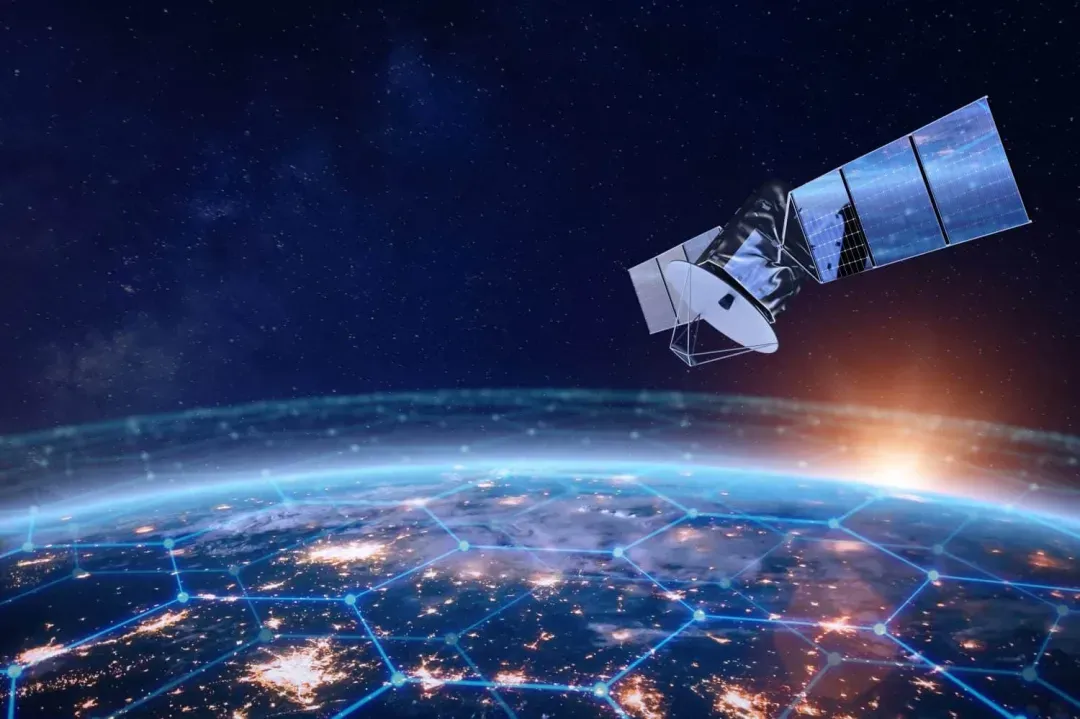
Within four to five years, AI will account for 99% of SpaceX’s value. We must win in AI; the future overwhelmingly belongs to AI and robotics.
In August 2026, an all-hands internal meeting at SpaceX upended all established perceptions of the company held by the public.
To the general public, SpaceX has always been synonymous with rockets, Starship and Mars colonization. Yet according to Musk’s latest remarks, rocket launches, human spaceflight and Starlink satellites combined will account for merely 1% of the firm’s total value in the future.
“Long‑term, probably in four or five years, AI will be 99% of the value of SpaceX. I’d say five years for sure, AI will be 99% the value of SpaceX. We must win on AI, because the future is overwhelmingly AI and robots.”
Translated: Within four to five years, AI will account for 99% of SpaceX’s value. We must win in AI; the future overwhelmingly belongs to AI and robotics.
This statement is no industry gimmick — it is a strategic directive delivered to all employees. It marks a fundamental shift in SpaceX’s core narrative: from an “aerospace company” to an AI infrastructure enterprise.
Not a fantasy: clear timeline and revenue targets
Many dismiss this as another of Musk’s typically bold predictions, yet this time he laid out concrete, trackable milestones and supporting business metrics.
First, the revenue inflection point is just around the corner.
Musk projects that as early as September this year, revenue from its AI division will surpass the combined revenue of all traditional aerospace businesses including rockets, Starlink and launch services. By Q4, AI revenue will pull far ahead.
Signs already emerged in the Q2 earnings report: SpaceX’s AI business generated $2.56 billion in quarterly revenue, up 247% year-over-year and 213% quarter-over-quarter, with gross margin climbing to 57% and net profit turning positive. This AI division, built from scratch, is growing at an explosive rate and rapidly catching up with its long-established aerospace core business.
Second, its computing power ambition targets 10 gigawatts.
SpaceX aims to expand its AI computing capacity to 10 gigawatts by the end of next year — ten times its current scale.
Based on Musk’s estimates, this could translate to a potential annual revenue range of $300–500 billion. By comparison, SpaceX’s total revenue stood at roughly $20 billion in 2025, representing staggering growth potential.
Third, a vision for split ground-and-space AI computing architecture.
He proposed a unique framework: large model training remains on the ground, while AI inference is shifted into space.
Simply put: massive datasets for large model training will still rely on enormous ground-based compute clusters. However, real-time inference for live AI services will be deployed in orbital space, leveraging satellite solar power and Starlink’s low-latency communications to build space-based edge computing.
Rockets and Starship take on an entirely new role. Starship will no longer prioritize Mars settlement as its primary mission; it will serve as a delivery vehicle for massive compute hardware, transporting large batches of AI compute units into orbit at scale. The Starlink network forms the underlying pipeline for compute interaction and data transfer between space and Earth.
Rockets are no longer the main protagonist — they become the transport backbone supporting AI operations.
Understanding “99% of value”, not 99% of revenue
This is a critical point prone to misinterpretation: Musk refers to value (valuation), not revenue share.
Even if aerospace continues to generate substantial cash flow, capital markets will assign the vast majority of valuation to the long-term upside of AI.
Traditional aerospace launch and satellite internet industries have clear market ceilings. In contrast, AI compute leasing, space-based inference and robotic applications tap into the nearly boundless global demand for AI infrastructure.
This explains his repeated emphasis: “We must win on AI.” For SpaceX, AI is no longer a nice-to-have side business; it is an existential strategic priority. If it loses the AI race, even with world-leading rocket technology, the company’s long-term value will shrink amid the shifting era.
That said, we should view this objectively. The target of 99% value within five years is an aggressive internal corporate goal with massive uncertainties. Orbital computing remains at an early conceptual stage, and numerous engineering, cost-control and commercialization hurdles still need to be overcome.
Nevertheless, it has unlocked a brand-new possibility for future industries: aerospace will serve not only the pursuit of outer space, but also the computing demands of the AI age.
Practical takeaways for international students amid this wave
SpaceX’s strategic pivot is not merely a story about a US company. It directly reflects structural shifts reshaping overseas study and job markets.
Many STEM international students once regarded aerospace as their sole ideal career track.
SpaceX’s transformation demonstrates that pure aerospace roles are limited in volume. AI + aerospace, AI + hardware, large model engineering and compute infrastructure are the expanding talent pools.
Many overseas universities are adding cross-disciplinary research topics combining aerospace, satellite communications and edge computing to CS, AI and robotics programs. If you only focus narrowly on traditional aerospace without building proficiency in AI toolchains and large model engineering, your job options will keep shrinking.
Two practical recommendations for students with different backgrounds:
For STEM students
Whether your specialty is aerospace, EE or mechanical engineering, build up AI engineering capabilities. Recruiters no longer judge candidates solely by major labels. Hybrid talent who understands hardware as well as large model deployment, automation and robotics is highly sought after by overseas tech firms.
Many Chinese engineers already hold core roles within SpaceX and xAI; cross-disciplinary backgrounds make it easier to secure entry opportunities.
For non-technical students
Do not think AI is irrelevant to you. The commercialization of compute business and space infrastructure will require large numbers of professionals in business analysis, marketing and program management.
Understanding the logic of the AI industry and learning to boost productivity with AI tools can also help you find your footing within the tech sector.
The AI wave is no distant concept. It is reshaping the business landscape of established giants and rewriting global talent demand trends.
Grasping the real direction of industrial evolution, rather than clinging to outdated academic mindsets, helps international students gain the upper hand in job-hunting competition.