
 MentorX
 44
44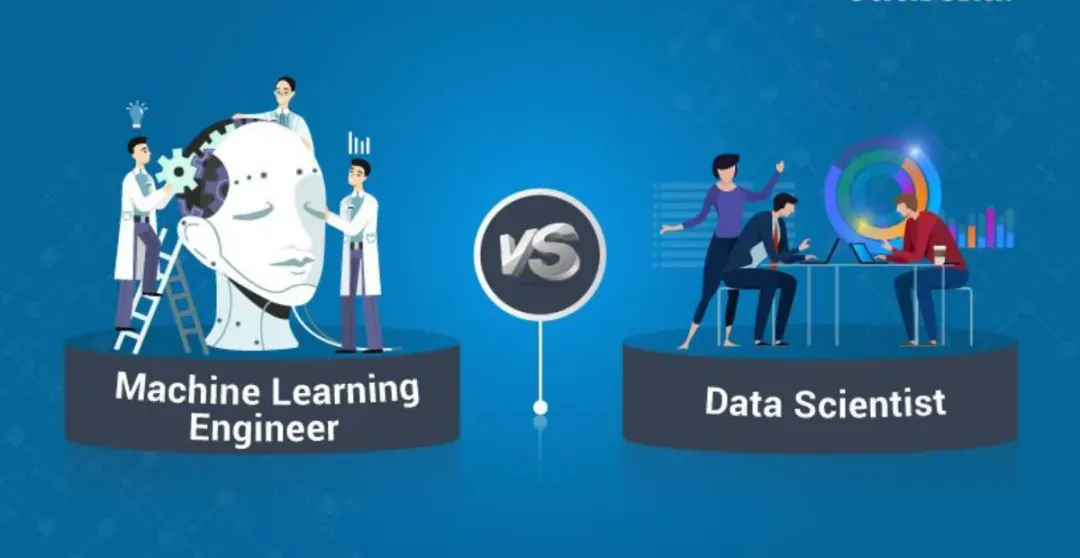
For women currently studying in the US and preparing to enter the North American job market, the question may no longer be whether they should learn AI. Instead, it is: what roles is AI creating, and where should women break into the field?
AI has emerged as a new high-growth area in the global recruitment market.
Yet a notable trend is becoming increasingly clear:
gender representation in AI roles remains unbalanced.
LinkedIn’s earlier *Triple Penalty* report shows that women received only 26% of all global AI-related job offers in 2025. The figure drops to just 13% for executive positions at AI companies.
What does this mean?
For female students studying in the US who plan to join the North American job market, the question is no longer simply whether they should learn AI. Instead, it becomes: what new jobs is AI creating, and where can women break into this field?
Particularly in the US, AI hiring has grown more specialized over the past two years. The roles seeing real growth extend well beyond AI Engineers and ML Engineers.
01 AI hiring is shifting from model-building to problem-solving
When people think of AI jobs, they often picture these titles:
👉🏻 Machine Learning Engineer
👉🏻 AI Engineer
👉🏻 Data Scientist
👉🏻 Research Scientist
But North American companies are now hiring for many more cross-functional AI roles.
Technical tracks include AI/ML Engineer, Applied Scientist, MLE, Data Scientist, NLP / LLM Engineer, AI Infrastructure Engineer and Research Engineer.
Non-technical tracks cover AI Product Manager, AI Solutions Engineer, AI Business Analyst, AI Strategy Specialist, AI Operations, AI Governance, Responsible AI, AI Risk, AI Security, AI Sales and Go-to-Market (GTM).
AI is therefore not limited to pure computer science roles. For international students, the key question is how their existing expertise can be combined with AI.
(The difference between data analyst, data engineer, and data scientist — roles in high demand driven by AI/ML 🧑🏻💻🤖⚡️)
02 Why do many women miss out on AI hiring opportunities?
Many female job seekers in North America fall into three common mindset traps amid the AI boom.
First, they misinterpret job requirements.
Seeing titles such as AI Engineer, ML, LLM or AI Agent, many women assume they have no shot if they are not CS majors.
In reality, building AI products requires far more than one technical role. An AI product team may need engineers, data specialists, product managers, designers, operations staff, salespeople and risk professionals. You do not have to train models to work in AI.
Second, they treat being “fully ready” as a prerequisite for applying.
Many international students hold off until they finish learning Python, build an LLM project or land an AI internship. North American hiring, especially for AI roles, is fast-moving; job descriptions and required tech stacks evolve rapidly. A more practical strategy is to apply while upskilling and building projects, rather than waiting until you are 100% prepared.
Third, they fixate on job titles instead of transferable skills.
Your original academic background can translate smoothly into specialized AI subfields.
Shifting gender dynamics in AI is not a simple debate over whether men or women are better suited to the field. What matters is who gets to shape this technology as it reshapes the job market — and who gets left behind.
For international students in North America, AI is not a field where everyone must start from scratch. It acts as a new connecting layer, linking CS and AI, data and AI, and also finance, business, marketing, cybersecurity and even policy with AI.
Rather than asking whether women belong in AI, ask this: can your major, skills and experience find an entry point in the AI era?
North American fall recruitment is now in its peak posting season. Keep an eye on openings in AI/ML, data, software engineering, AI product and AI-focused business roles. If you are targeting North American jobs for the 2026, 2027 or 2028 graduating cohorts, reach out to our North America career coaches. We will help you map your background, match you with suitable AI tracks, avoid blind coding pivots, and target fall-recruitment offers with precision.