
 MentorX
 1
1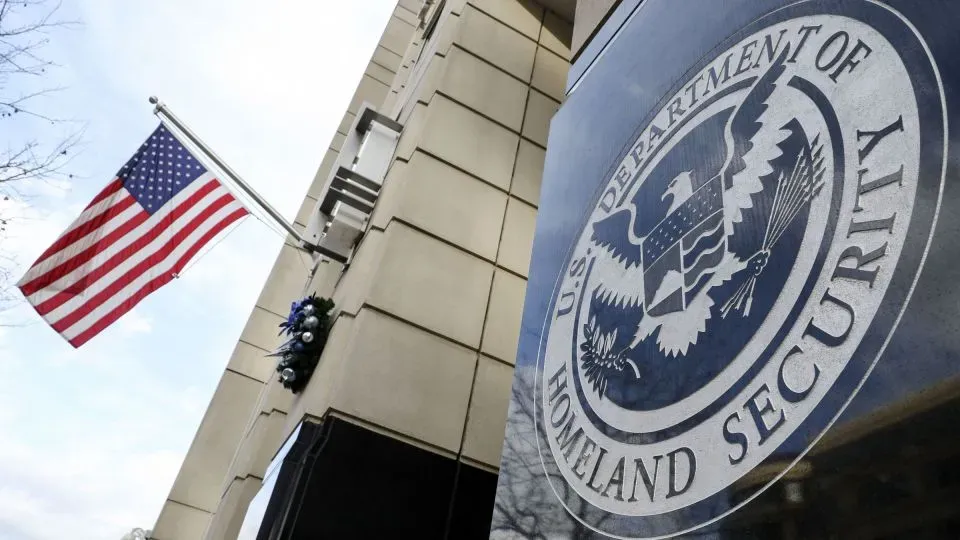
On Oct 7, DHS unveiled proposed rules mandating universities pay $70,000 for each F‑1 student applying for post‑grad OPT, plus $30,000 for STEM OPT extension, capping at $100,000 for students using both pre‑ and post‑graduation OPT.
Cover Copy: When the “post‑graduation transition pathway” gets turned into a price‑gated barrier, the predictability of studying in the U.S. is being re‑priced.
01 This Is Not a Price Hike — It Is a Paradigm Shift
On October 7, the U.S. Department of Homeland Security (DHS) released proposed new rules. For F‑1 international students applying for post‑graduation OPT, universities would be required to pay $70,000 per student. A further $30,000 surcharge applies for the STEM OPT extension, with a maximum total charge of $100,000 for students who participate in OPT both before and after graduation. By contrast, the current I‑765 filing fee for OPT stands at only $470.
This increase of more than 100‑fold cannot simply be described as a “price hike”. For many years, OPT has served as the de‑facto primary gateway for international students seeking U.S.‑based employment, with numerous OPT placements ultimately feeding into the H‑1B lottery. Imposing barriers at the very top of the immigration funnel is far more “efficient” than reviewing H‑1B petitions case‑by‑case.
DHS frames the measure as a crackdown on fraud and a protection for U.S. workers, claiming OPT has become “a pipeline for cheap foreign labor”. What merits close examination, however, is what lies beneath this official rhetoric: this is less about tightening restrictions and more about assigning a monetary price tag.
02 Three Core Design Features of the Proposed Rule
Legal obligation falls on institutions; financial burden may shift to individuals.
SEVP‑certified universities must remit payment prior to a DSO recommendation. USCIS will not issue EAD work permits unless the university pays the fee. Yet DHS explicitly permits schools to pass these costs on to students or employers. The entity legally obligated to pay is not necessarily the party who ultimately bears the expense.
Changing employers does not trigger new fees; additional fees may apply for new degree levels.
Fees are tied to “university‑issued recommendations”, not employers. DHS is soliciting public comment on whether the $70,000 charge should be reapplied for each separate degree level (bachelor’s, master’s, etc.).
Enormous financial scale.
DHS estimates roughly 2,478 affected institutions, with annual fee revenues projected between $8.4 billion and $16.5 billion. More than 290,000 students took part in OPT during the 2024‑2025 academic year, including over 60,000 Chinese students.
Legal experts widely view this measure as a de‑facto tax. Back in June of this year, a federal court struck down the $100,000 H‑1B fee on the grounds that the President lacks statutory authority to impose taxes, establishing relevant legal precedent.
03 Universities Respond Calmly, Yet None Offer Cost Guarantees
Immediately following the rule’s release, university international‑student offices issued near‑instant responses with consistent messaging: remain calm, existing processes continue, and institutions are monitoring developments.
The day after DHS published the proposal, Columbia University sent out student emails confirming that OPT application workflows remain unchanged while the school assesses potential impacts.
Columbia hosts over 13,700 international students, accounting for 39 % of its student body — the highest share among Ivy League universities — explaining its swift reaction. Student associations are pushing for emergency‑fund initiatives, and one student commented, “I am 99 % certain I will not be able to stay and will 100 % return to Europe.”
Boston University’s official notice emphasizes that “these are only proposed rules; current regulations and practices remain unchanged”.
The University of Utah similarly reiterated that existing OPT procedures and fees stay in effect.
Vanderbilt University moved even earlier: it alerted students back on August 20, when DHS submitted the proposal to the White House OMB for review.
On the industry level, organizations including the American Council on Education (ACE) have publicly opposed the proposal, warning it will erode U.S. universities’ global talent‑attraction capacity.
One notable signal: no university has committed to covering these fees on students’ behalf.
If the rule takes final effect, different schools may pursue drastically competing approaches: some may absorb costs internally, some will pass expenses to students, and others may reduce the number of OPT recommendations they issue. This adds yet another critical question candidates must raise during school‑selection evaluations.
04 Implementation Outlook: Cautiously Optimistic, Do Not Count on Favorable Luck
The proposal is currently in the public‑comment period closing November 9, and major uncertainties persist.
Legal challenges are all but guaranteed.
Building on the prior court reversal of H‑1B fee rules, multiple immigration attorneys judge this proposal will face poor prospects in court.
On October 5, higher‑education groups already filed separate litigation over CPT policy tightening.
Transition language establishes a “grandfather clause”. Under the proposed text, fees apply only to DSO recommendations submitted after the final‑rule effective date (60 days post‑publication). Current OPT holders and pending applications will generally be unaffected.
One gray‑area caveat exists: students whose initial OPT was approved under old rules may still incur the $70,000 base fee when applying for the STEM extension. This scenario is explicitly anticipated within the regulatory text.
Administrative timelines are lengthy. Even without lawsuits, the final rule would only take effect 60 days after official publication. The rule is not yet in force; always rely on official government sources.
05 Three Practical Recommendations for Chinese International Students and Their Families
Current and graduating students: Proceed with applications without panic. Under existing rules, eligible applicants may file I‑765 up to 90 days before graduation to lock in current‑term benefits. Directly pose two questions to your university: Will the school pass along new fees to students? If the rule goes into effect, will it guarantee recommendations for all qualified candidates?
Prospective U.S.‑bound students: Build dual‑track plans covering U.S. and non‑U.S. pathways. Factor Europe, Canada, Singapore, and returning‑home career options into your planning. When evaluating universities, weigh the diversity of post‑graduation career outcomes, instead of centering decisions solely around the OPT‑H‑1B pipeline.
Strategic bottom line: Betting your career trajectory exclusively on one country’s visa policies carries systematically rising risks. The era of “political beta” for study‑abroad decisions has arrived. Diversifying your options is the only hedge against uncertainty.
Closing Thoughts
The uncertainty of studying abroad has shifted from “can I get admitted” toward “can I remain in the U.S. after graduation”.
Rather than gambling on luck along an increasingly costly pathway, integrate post‑graduation career pathways into your university‑selection process early on.
Whatever stage you are in, take stock of whether your major, school choices and internship planning are prepared for a diversified job market.
If you wish to translate “career‑exit planning” into concrete next steps, Vine Education provides career‑planning services and referral opportunities for international students, helping you reclaim agency over your own options.